Methodology and results
Result popularization
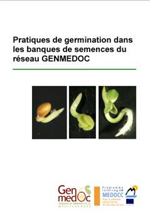
Within the SEMCLIMED project, the manuals published for the preceding GENMEDOC project have been translated into several different languages. This can be said for the Manual for germination in the seed banks of the GENMEDOC network, published in Spanish, which was translated into French, Greek, and English. This manual contains effective germination protocols for sixty-six species gathered during the GENMEDOC project. The main goals of the manual are the simplification of the technical tools needed to guarantee plant production for future actions of repopulation or re-introduction of the species into the natural habitat, and the summary of work procedures and methods for seed banks within the network.
|
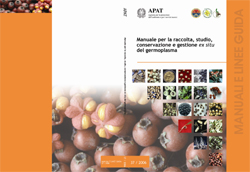
Another publication, written in Italian, is the Manual for the collection, study, conservation, and management of plant material, which sums up the techniques and work experiences of the partners of the GENMEDOC project. The manual has been translated into French, English, Spanish, and Greek, and includes the basic procedures that go from the selection and localization of the species subject to conservation, to the collection and treatment of plant material, and finally up to last stage of genetic material conservation within the banks.
|
Lastly, a third manual, Structural foundations of a habitat, was translated into French from the original version in Spanish. This document offers criteria and standards for the evaluation and analysis of important plant species in defining the framework, functioning, and traits of a plant community. These criteria will allow for the determination of collection and conservation priorities with regard to genetic material in the seed banks that take part in the management of natural habitats.
These documents can be downloaded from, in addition to the SEMCLIMED project website (www.semclimed.org), the GENMEDOC website (www.genmedoc.org).
These are multi-language websites (French, Spanish, Italian, and English) that deal with biodiversity in general and ex situ conservation in particular.
The site also offers the possibility to download project results in PDF format and consult the database, in French, which contains information on habitats, populations, and taxa that were studied.
|
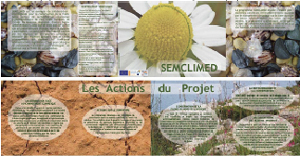
Another popularization activity for the actions taken is that of the strategy where the largest number of means of communication are used. These short-term actions are taken through the publication of brochures and stickers, exhibition panels and posters advertising meeting and gatherings. Conferences have been organized to add value and improve the project, with regard to the public in general, as well as for specialists in this sector.
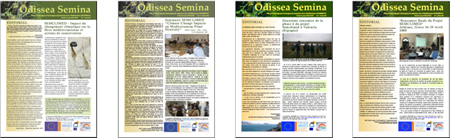
SEMCLIMED used, as another means of communication, the edition of the bulletin Odissea Semina, an internal communication tool, within the project, which is also open to other proposals and ideas regarding environmental conservation. Started up as a forum for ideas, methods, results and initiatives regarding conservation, the bulletin brought forth a number of articles and news from the SEMCLIMED partners as well as from other European and National projects such as Ensconet, Ripidurable or Llavors d’Ací. Four numbers have been published, which are available online or in a printed version.
|